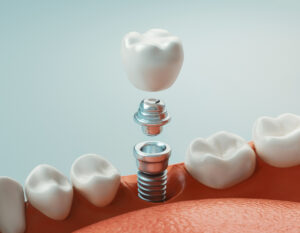
 When faced with tooth loss, the decision between dental implants (dental screws or posts) and dentures represents one of the most significant investments you’ll make in your oral health. While both options restore your ability to eat and smile confidently, they differ dramatically in cost, longevity, maintenance, and long-term impact on your jawbone and overall quality of life.
At Willden Family Dental in South Jordan, Utah, Dr. Ryan Willden and our experienced team have been helping patients navigate this important decision for 23 years. With three associate dentists on staff and comprehensive experience in both restorative and cosmetic treatments, we understand the unique considerations that make dental implants the right choice for some patients while traditional dentures better suit others.
Understanding the True Cost Beyond the Price Tag
The upfront cost difference between dental implants and dentures often drives the initial decision. Traditional complete dentures are deemed as the more affordable option when considering only the immediate financial investment. Dental implants (the titanium screws or posts that serve as artificial tooth roots) can garner a higher initial investment.
However, the long-term financial picture tells a different story. Dentures require replacement approximately every five to seven years due to normal wear and changes in your mouth structure. They also need regular adjustments, relining procedures, and special cleaning products that add ongoing costs throughout their lifespan. These recurring expenses accumulate significantly over decades of use.
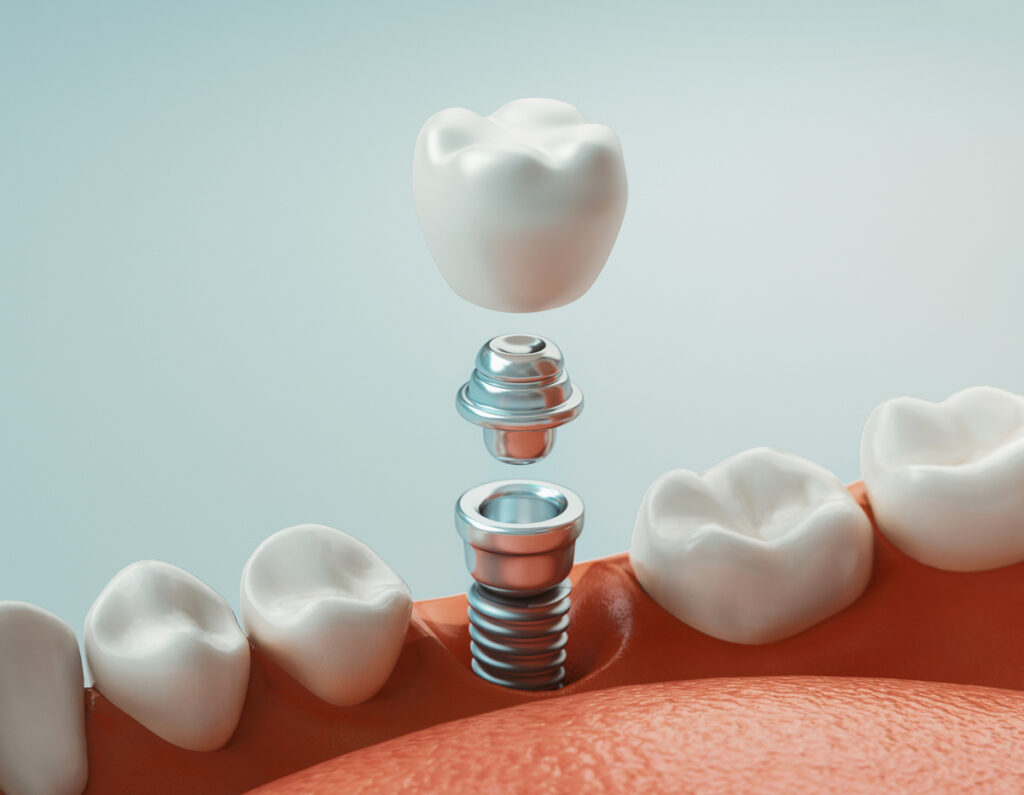
Dental implants (dental screws or posts), by contrast, function as permanent fixtures in your jawbone. Research from the National Center for Biotechnology Information demonstrates that properly maintained implants can last decades and potentially a lifetime with appropriate care. While the crown portion may eventually need replacement after 10-15 years, the implant itself typically remains stable. When calculated over 20 or 30 years, the cost per year of dental implants often proves comparable to or less than the repeated denture replacements and adjustments required during the same period.
Functional Differences That Impact Daily Life
The stability difference between dental implants and dentures significantly affects your everyday experiences. Traditional dentures rest on your gums and rely on suction or adhesive to stay in place. Even well-fitted dentures can slip during eating or speaking, creating embarrassing situations and limiting your food choices to softer options that won’t dislodge your prosthetic teeth.
Dental implants (dental screws or posts), however, integrate directly with your jawbone through a process called osseointegration. This creates a foundation as stable as natural tooth roots, allowing you to bite and chew with confidence. Studies show that patients with implant-supported teeth experience significantly increased biting force compared to those with conventional dentures, enabling them to enjoy a broader variety of foods including harder-to-chew healthy options like raw vegetables, nuts, and proteins.
Speech patterns also differ between the two options. Dentures can affect pronunciation, particularly with certain consonant sounds, and may cause clicking noises during conversation. The bulk of denture material covering your palate can also alter how food tastes and feels. Dental implants preserve your natural palate and eliminate slipping concerns, maintaining your normal speech patterns and full taste sensation.
The Hidden Health Factor: Bone Preservation
Perhaps the most significant long-term difference between dental implants and dentures involves what happens beneath your gums. When you lose teeth, the jawbone that once supported those teeth begins to deteriorate through a process called bone resorption. This occurs because the bone no longer receives stimulation from tooth roots during chewing.
Traditional dentures accelerate this bone loss rather than prevent it. The pressure of dentures resting on your gums actually contributes to continued gradual bone deterioration over time. This progressive bone loss explains why dentures that fit well initially become loose and uncomfortable after several years, requiring frequent adjustments and eventual replacement. The bone loss also changes facial structure, creating a sunken appearance that makes many denture wearers look older than their years.
Dental implants (dental screws or posts) function like natural tooth roots, transferring chewing forces directly to the jawbone. This stimulation signals your body to maintain bone density in that area, significantly reducing bone loss compared to traditional dentures. By preserving your jawbone structure, implants maintain your facial contours and prevent the aging appearance associated with bone deterioration. This preservation of facial structure represents a substantial benefit that extends far beyond oral health into overall appearance and self-confidence.
Maintenance Requirements and Lifestyle Considerations
Daily care routines differ significantly between the two options. Dentures require removal each night for cleaning, soaking in special solutions, and allowing your gums to rest. You’ll need to clean them with specific denture brushes and solutions rather than regular toothpaste, which can damage the denture material. Before wearing them each morning, you’ll apply adhesive to help them stay in place throughout the day.
Dental implants (dental screws or posts) require care identical to natural teeth. You brush at least twice daily with a soft-bristle toothbrush, floss between teeth, and maintain regular dental checkups every six months. There’s no removal, no special cleaning solutions, no adhesives, and no soaking routines. This simplified maintenance appeals to many patients who want tooth replacement that integrates seamlessly into their existing oral hygiene habits.
The lifestyle freedom that dental implants provide extends beyond maintenance. You won’t worry about dentures slipping during important presentations at work, romantic dinners, or social events. You can eat whatever you want without mental calculations about whether a food might dislodge your dentures. You won’t need to pack special cleaning supplies when traveling. These seemingly small conveniences accumulate into a significantly improved quality of life over months and years.
Making the Right Choice for Your Situation
While dental implants offer numerous advantages, they’re not automatically the best choice for everyone. Successful implant placement requires adequate jawbone density to support the titanium posts. Patients who have experienced significant bone loss may need bone grafting procedures before implant placement, adding time and cost to treatment. Certain medical conditions, medications, or health habits like smoking can also affect implant success rates and may make dentures a more practical option.
The choice between dental implants and dentures also depends on how many teeth you’re replacing and their location in your mouth. Single missing teeth or small gaps often represent ideal situations for implants. Full-arch replacements might combine implants with implant-supported dentures, creating a middle-ground solution that provides stability from implants while requiring fewer individual posts than separate implants for each tooth would demand.
Experience Personalized Tooth Replacement Solutions at Willden Family Dental
Dr. Ryan Willden and our skilled team bring 23 years of experience helping South Jordan patients restore their smiles through both cosmetic dentistry and advanced treatments. We evaluate your unique oral health situation, discuss your lifestyle needs and budget considerations, and develop a personalized treatment plan that delivers the results you deserve. Our office provides flexible financing solutions designed to make quality tooth replacement affordable and accessible for our patients.
We understand that tooth loss affects more than just your ability to chew food. It impacts your confidence, your social interactions, and your overall quality of life. Contact our office today to schedule your consultation and discover which tooth replacement option will best restore your smile, function, and confidence for years to come.