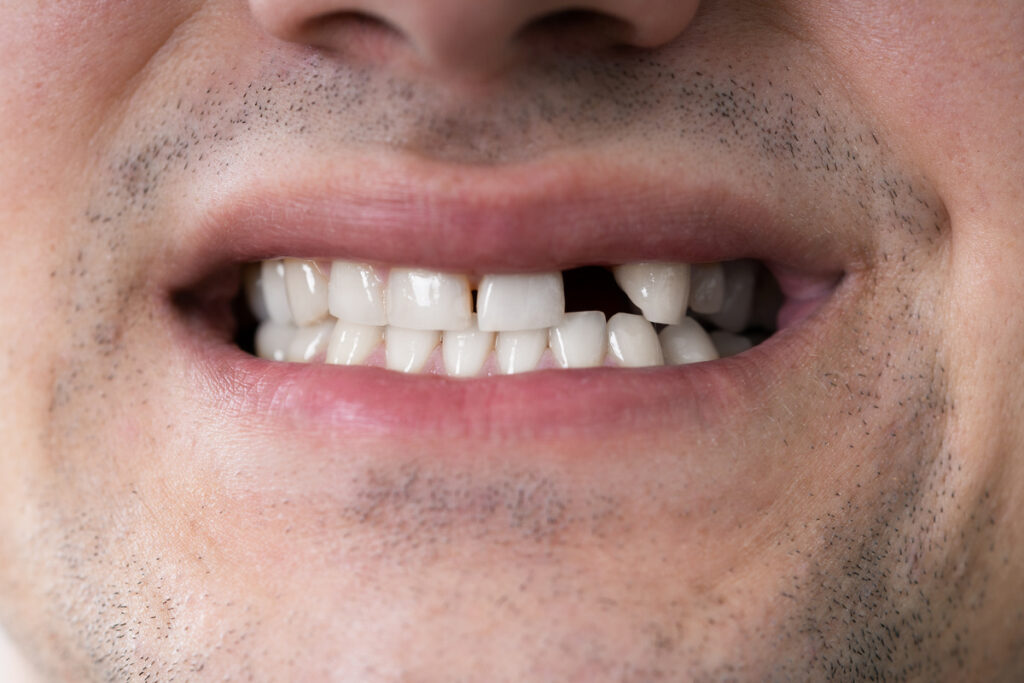
 Most people think of missing teeth as a cosmetic concern, but the truth goes much deeper than appearances. When a tooth is lost and not replaced, a chain of physical consequences begins that can quietly affect your heart, your nutrition, your jaw structure, and your overall quality of life.
At Willden Family Dental in South Jordan, Utah, Dr. Ryan Willden and our team work with patients every day who are surprised to learn how much a missing tooth impacts their health. With 23 years of experience, we believe in helping patients understand the full picture so they can make confident, informed decisions about their care.
How Does Tooth Loss Affect the Rest of Your Body?
Tooth loss creates a ripple effect that extends well beyond your smile. The moment a tooth is gone, the jawbone underneath begins to lose density. Without the stimulation a tooth root provides, the bone resorbs over time, which can alter the shape of your face and shift surrounding teeth out of alignment.
Research published by the National Institutes of Health found significant associations between tooth loss and an increased risk of cardiovascular disease, cognitive decline, and malnutrition. The connection makes sense when you consider that oral bacteria from untreated gum disease can enter the bloodstream, contributing to inflammation throughout the body. Missing teeth also compromise your ability to chew properly, which directly impacts the foods you can eat and the nutrients your body receives.
What Happens to Your Jaw When a Tooth Is Missing?
When a tooth is missing, it can have various impacts on your jaw as a result. These include the following:
Bone Loss and Facial Changes
The jawbone relies on constant pressure from biting and chewing to maintain its density. When a tooth is removed and the root is no longer present, that section of bone begins to shrink within the first year. Over time, bone loss can make the face appear sunken or aged and can complicate future restorative dentistry options if too much density is lost.
Shifting and Bite Problems
Adjacent teeth naturally drift toward the empty space left by a missing tooth. This shifting can throw off your bite, create gaps in new places, and put uneven pressure on remaining teeth. Bite problems often lead to jaw discomfort, headaches, and accelerated wear on otherwise healthy teeth.
How Are Missing Teeth Connected to Gum Disease?
Tooth loss and periodontal disease share a two-way relationship. Gum disease is one of the leading causes of tooth loss, but missing teeth can also make gum disease worse. Gaps in the smile create areas where bacteria accumulate and are harder to clean effectively. Without proper intervention, gum disease can spread and lead to further tooth loss, creating a cycle that becomes increasingly difficult to manage.
Several conditions are closely connected to untreated gum disease and tooth loss, and keeping these in mind underscores why prompt treatment matters:
- Cardiovascular disease: inflammation from oral bacteria has been linked to arterial plaque and increased heart disease risk
- Diabetes complications: gum disease makes blood sugar harder to regulate in people living with diabetes
- Respiratory illness: inhaling oral bacteria has been associated with pneumonia and other lung infections
- Nutritional deficiency: difficulty chewing limits food choices and can lead to vitamin and mineral gaps over time
Understanding these risks is not meant to alarm you, but to reinforce how closely your oral health connects to the rest of your body.
What Are the Options for Replacing Missing Teeth?
Replacing missing teeth sooner rather than later gives you the best chance of preserving bone density and preventing the complications described above. The right solution depends on your situation, how many teeth are missing, and the current condition of your jaw and gums.
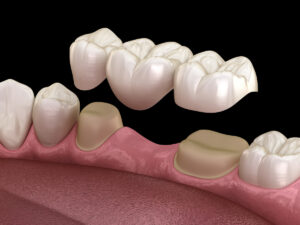
Dental bridges offer a reliable way to fill the gap left by one or more missing teeth, anchoring an artificial tooth between two crowns placed on adjacent teeth. For patients who want a solution that more closely mimics the function of a natural tooth root, dental implants, which use titanium dental screws or posts placed directly into the jawbone, provide unmatched stability and long-term bone support. Both options have distinct advantages, and our team can walk you through what makes the most sense for your specific needs and goals.
Talk to Willden Family Dental About Your Options
Missing teeth affect far more than your smile, and the longer they go unaddressed, the more complex the path to restoration can become. At Willden Family Dental, we approach tooth replacement with the full picture in mind, considering your bone health, bite, gum health, and overall well-being alongside your cosmetic goals.
Dr. Willden and our team bring 23 years of experience to every patient, along with a warm, judgment-free environment designed for people who may have put off dental care due to anxiety or past experiences. Our office provides flexible financing solutions designed to make quality tooth replacement affordable and accessible for our patients. If you are ready to take the next step, we encourage you to contact our office to schedule a consultation.