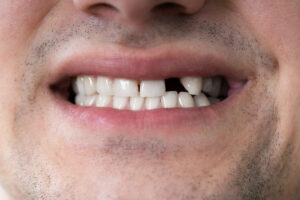
 Losing a tooth changes more than your smile, it changes the way you eat, speak, and feel about yourself. The good news is that tooth loss does not have to be permanent, and there is a proven, time-tested solution that restores both the look and function of your smile without the complexity of surgery.
At Willden Family Dental in South Jordan, Utah, Dr. Ryan Willden and our team have helped patients reclaim their confidence after tooth loss for over 23 years. We know that every missing tooth comes with its own story, and our approach is to meet you where you are and guide you toward a solution that fits your life.
What Is a Dental Bridge and How Does It Work?
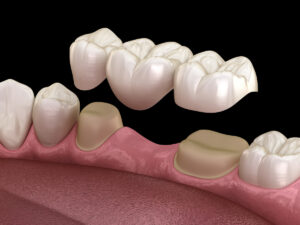
A dental bridge is a fixed restoration that fills the gap left by one or more missing teeth. It uses the teeth on either side of the empty space, called abutment teeth, as anchors to support an artificial tooth, known as a pontic, in between. The result is a seamless, stable replacement that looks and functions like a natural tooth.
Unlike removable options, a bridge is cemented permanently into place, meaning you eat, speak, and care for it just as you would your natural teeth. Most traditional bridges are supported by dental crowns placed over the abutment teeth on each side of the gap, creating a sturdy three-piece unit.
How Do Dental Bridges Restore Function After Tooth Loss?
There are several ways in which dental bridges can restore function after losing a tooth.
Eating and Speaking With Confidence Again
One of the most immediate effects of a missing tooth is the impact on how you chew. Gaps in your bite force surrounding teeth to compensate, which can cause uneven wear and discomfort over time. A bridge restores the full chewing surface so you can enjoy the foods you love without working around a gap or favoring one side of your mouth.
Speech is affected as well. Certain sounds depend on your tongue and lips interacting with specific teeth, and a missing tooth can cause subtle changes in how words are formed. Patients often notice an improvement in clarity and ease of speech once a bridge is in place.
Preventing Shifting and Bone Changes
When a tooth is lost and the space is left open, neighboring teeth naturally drift toward the gap. This shifting can misalign your bite and create new spacing issues throughout your mouth. A bridge holds that space firmly and prevents adjacent teeth from moving out of position.
A 2023 review published by the National Institutes of Health found that patients with dental bridges supported by natural teeth experienced high survival rates and minimal failure, reinforcing the reliability of bridges as a long-term tooth replacement option. While jawbone changes are still possible beneath a bridge over time, the restoration addresses many of the functional consequences of tooth loss effectively.
Who Is a Good Candidate for a Dental Bridge?
Dental bridges work well for patients who are missing one or a few teeth in a row and have healthy, stable teeth on either side of the gap to serve as anchors. Good oral health overall is important, as is a commitment to regular hygiene and care. For patients dealing with more extensive tooth loss or bone changes, dental implants, which use titanium dental screws or posts anchored directly into the jawbone, may be a better fit, and our team can walk through both options with you.
Patients who are not immediately candidates for a bridge may benefit from periodontal treatment or other restorative dentistry care first to get their oral health into the right place. The process starts with a thorough evaluation so we understand exactly where you are starting from.
What Can You Expect From the Bridge Process?
The dental bridge process typically takes place over two appointments. During the first visit, the abutment teeth are prepared and shaped to accommodate the crowns, and an impression of your teeth is taken. A temporary bridge is placed while your permanent restoration is being crafted. At the second appointment, the temporary bridge is removed and the permanent bridge is fitted, adjusted, and cemented into place.
Most patients are pleasantly surprised by how manageable the process is. Some mild sensitivity following preparation of the abutment teeth is normal and tends to resolve quickly. Once the permanent bridge is in, daily care is straightforward, brushing, flossing with a floss threader or interdental brush beneath the bridge, and keeping up with routine visits to protect the supporting teeth.
Take the Next Step With Willden Family Dental
A missing tooth is something worth addressing sooner rather than later, and a dental bridge is one of the most dependable ways to do it. At Willden Family Dental, Dr. Willden and our team take the time to understand your full oral health picture before recommending any treatment, so you can feel confident the solution we suggest is truly the right one for you.
With 23 years of experience and a warm, pressure-free environment, we are here to help you move forward at a pace that feels comfortable. Our office provides flexible financing solutions designed to make quality tooth replacement affordable and accessible for our patients. If you are ready to learn more about dental bridges or explore your options after tooth loss, we invite you to contact our office to schedule a consultation.