
Dental Bridges in South Jordan, UT
A dental bridge fills the gap created by one or more missing teeth, restoring both function and appearance to your smile. This permanent solution anchors artificial teeth to your natural teeth or dental implants (dental screws or posts) on either side of the gap, giving you back the confidence to eat, speak, and smile without hesitation.
At Willden Family Dental, Dr. Ryan Willden brings over 23 years of experience creating custom bridges that look and feel like natural teeth. Our South Jordan practice offers advanced treatments in a welcoming environment designed to ease dental anxiety. With in-ceiling TVs, noise-canceling headphones, and a team that genuinely cares about your comfort, we make the bridge placement process as smooth and stress-free as possible.
How Dental Bridges Work
Traditional bridges consist of one or more artificial teeth, called pontics, held in place by dental crowns cemented onto the natural teeth adjacent to the gap. These supporting teeth, called abutments, provide the strength needed to hold the bridge securely. Your dentist prepares the abutment teeth by removing a small amount of enamel to make room for the crowns that will anchor the bridge.
The entire bridge is custom-made to match the color, shape, and size of your natural teeth. Modern dental materials allow us to create bridges that blend seamlessly with your smile, so most people won’t be able to tell which teeth are yours and which are part of the bridge. The result is a natural-looking restoration that restores your ability to chew properly and maintains the shape of your face.
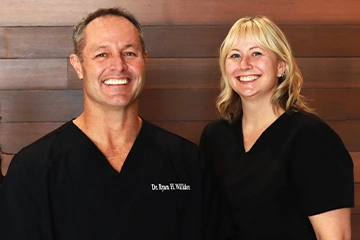
From your first visit, our focus is on you. We prioritize clear communication, comfort, and customized treatment solutions designed to help you feel confident in your care.
Types of Bridges Available
Several bridge options exist depending on your specific situation and the location of your missing teeth. Traditional bridges work well when you have healthy, natural teeth on both sides of the gap. These are the most common types and offer excellent durability for years of reliable function.
Cantilever bridges attach to just one adjacent tooth, making them useful when you only have a natural tooth on one side of the gap. Maryland bonded bridges use a metal or porcelain framework bonded to the backs of adjacent teeth, requiring less preparation of the supporting teeth. Implant-supported bridges rest on dental implants rather than natural teeth, providing the strongest and most stable option when you’re missing several teeth in a row.

The Bridge Placement Process
Your first appointment involves preparing the abutment teeth and taking precise impressions of your mouth. We shape the supporting teeth to receive crowns, then create a detailed model that serves as the blueprint for your custom bridge. You’ll wear a temporary bridge while the dental lab crafts your permanent restoration, typically taking two to three weeks.
During your second visit, we remove the temporary bridge and check the fit of your new permanent bridge. We make any necessary adjustments to ensure proper bite alignment and comfort before permanently cementing it in place. Most patients adapt to their new bridge within a few days as it becomes a natural part of their smile.
Benefits of Choosing Bridges
Replacing missing teeth prevents the remaining teeth from shifting out of position, which can create bite problems and jaw pain. When teeth move into empty spaces, they become harder to clean and more susceptible to decay and gum disease. A bridge maintains proper tooth alignment and protects your overall oral health.
Missing teeth affect millions of Americans, impacting their ability to eat comfortably and speak clearly. Bridges restore these essential functions while also preventing the sunken facial appearance that often develops after tooth loss. The improved confidence that comes with a complete smile can positively affect both your personal and professional life.
Caring for Your Bridge
Maintaining good oral hygiene is essential for the longevity of your bridge and the health of your supporting teeth. Brush twice daily and use floss threaders or water flossers to clean beneath the pontic where it meets your gums. Regular cleaning in these areas prevents food particles and bacteria from accumulating and causing gum disease.
Schedule professional cleanings and checkups every six months so we can monitor your bridge and the health of your supporting teeth. With proper care, most bridges last 5 to 15 years before needing replacement. Avoiding hard or sticky foods helps prevent damage to both your bridge and natural teeth.
Alternative Tooth Replacement Options
While bridges offer an excellent solution for many patients, dental implants provide another option worth considering. Implants don’t require altering adjacent teeth and can help preserve jawbone density. However, they require surgery and a longer treatment timeline than bridges.
Partial dentures represent a removable alternative that costs less than bridges or implants but may feel less stable and natural. Your specific situation determines which option serves you best. We’ll discuss all available choices during your consultation, helping you understand the advantages and considerations of each approach so you can make an informed decision.
What to Expect During Treatment
Most patients experience minimal discomfort during bridge preparation. We use local anesthesia to keep you comfortable while preparing your teeth, and any sensitivity afterward typically responds well to over-the-counter pain relievers. Your temporary bridge protects the prepared teeth and allows you to eat and speak normally while waiting for your permanent restoration.
Some people need a brief adjustment period to get used to how the bridge feels. You might notice slight differences in your bite or speech for a few days, but these sensations usually disappear quickly as you adapt. If you feel anxious about dental procedures, ask us about sedation dentistry options that can help you feel more relaxed during treatment.
Why Choose Bridges Over Leaving Gaps
Some people consider living with missing teeth to avoid the time and expense of replacement. This approach often leads to more serious problems down the road. The teeth adjacent to a gap tend to tilt or drift into the empty space, while the tooth above or below the gap may begin to over-erupt, creating bite problems.
These shifting teeth become more difficult to clean effectively, increasing your risk of cavities and gum disease. The bone in your jaw also begins to deteriorate in areas where teeth are missing, which can affect your facial structure and make future tooth replacement more challenging. Addressing the gap promptly with a bridge helps you avoid these complications.
Restore Your Smile at Willden Family Dental
Don’t let missing teeth hold you back from enjoying your favorite foods or smiling with confidence. Our South Jordan team creates beautiful, functional bridges that blend seamlessly with your natural teeth and restore your quality of life. We offer flexible financing through CareCredit, including 0% interest for 24 months, making quality dental care accessible when you need it.
Dr. Willden and our experienced staff understand the importance of building trust with patients who may have had negative dental experiences in the past. We take time to listen to your concerns, answer your questions, and create a treatment plan that works for your unique needs and goals. Contact us today to schedule your consultation and discover how a dental bridge can transform your smile.
Dentist South Jordan Utah
Dental consultation
Complimentary Insurance Evaluations
(801) 446-4668
new patient
Print and bring your filled out new patient packet to your appointment.
